Module 1: Introduction to Gender Equality
Key concepts: Gender equality and gender equity
Gender equality
The concept that women and men, girls and boys have equal conditions, treatment and opportunities for realizing their full potential, human rights and dignity, and for contributing to (and benefitting from) economic, social, cultural and political development. Gender equality is, therefore, the equal valuing by society of the similarities and the differences of men and women, and the roles they play. It is based on women and men being full partners in the home, community and society.
Equality does not mean that women and men will become the same but that women’s and men’s rights, responsibilities and opportunities will not depend on whether they are born male or female. Gender equality implies that the interests, needs and priorities of both women and men and girls and boys are taken into consideration, recognizing the diversity of different groups and that all human beings are free to develop their personal abilities and make choices without the limitations set by stereotypes and prejudices about gender roles.
Gender equality is a matter of human rights and is considered a precondition for, and indicator of, sustainable people-centered development.
Gender equity
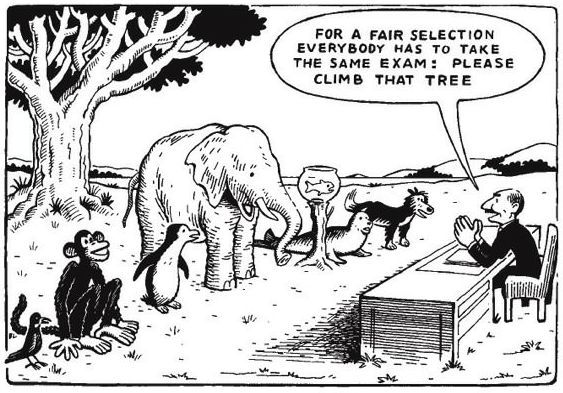
The process of being fair to men and women, boys and girls, and importantly the equality of outcomes and results. Gender equity may involve the use of temporary special measures to compensate for historical or systemic bias or discrimination. It refers to differential treatment that is fair and positively addresses a bias or disadvantage that is due to gender roles or norms or differences between the sexes. Equity ensures that women and men and girls and boys have an equal chance, not only at the starting point, but also when reaching the finishing line. It is about the fair and just treatment of both sexes that takes into account the different needs of the men and women, cultural barriers and (past) discrimination of the specific group.
Examples of gender equality and equity in practice:
Education: Gender equality in education means providing equal access to education for all students, regardless of gender. Gender equity in education may for instance involve providing additional support and resources to girls and women, who may face barriers such as cultural expectations or financial constraints preventing them from attending school.
Employment: Gender equality in employment means providing equal pay and opportunities for all employees, regardless of gender. Gender equity in employment may involve implementing policies such as flexible work arrangements or parental leave to address the disproportionate burden of caregiving responsibilities that often falls on women.
Public Policy: Gender equality in public policy means ensuring that all policies and programs are designed to benefit all individuals, regardless of their gender. Gender equity in public policy may for instance involve implementing action programs to increase the representation of women in certain fields or positions.
Sometimes, what may sound fair to begin with, isn’t really fair at all…